Blepharoplasty
in Phoenix, AZ


The eye area changes in small measurements. A little excess skin on the upper eyelids can hide the eyelid crease, make mascara transfer, or weigh down the upper lids by late afternoon. Under the eyes, fat pads and loose skin can create bags that look out of sync with the rest of the face.
At Warrington Facial Plastic Surgery near Phoenix Blepharoplasty is performed by Dr. Stephanie Warrington, a board-certified ENT and fellowship-trained facial plastic surgeon. Her approach to eyelid surgery is measured, face-focused, and built around a simple goal: a rested eye area that still matches your facial features.
1 of 1
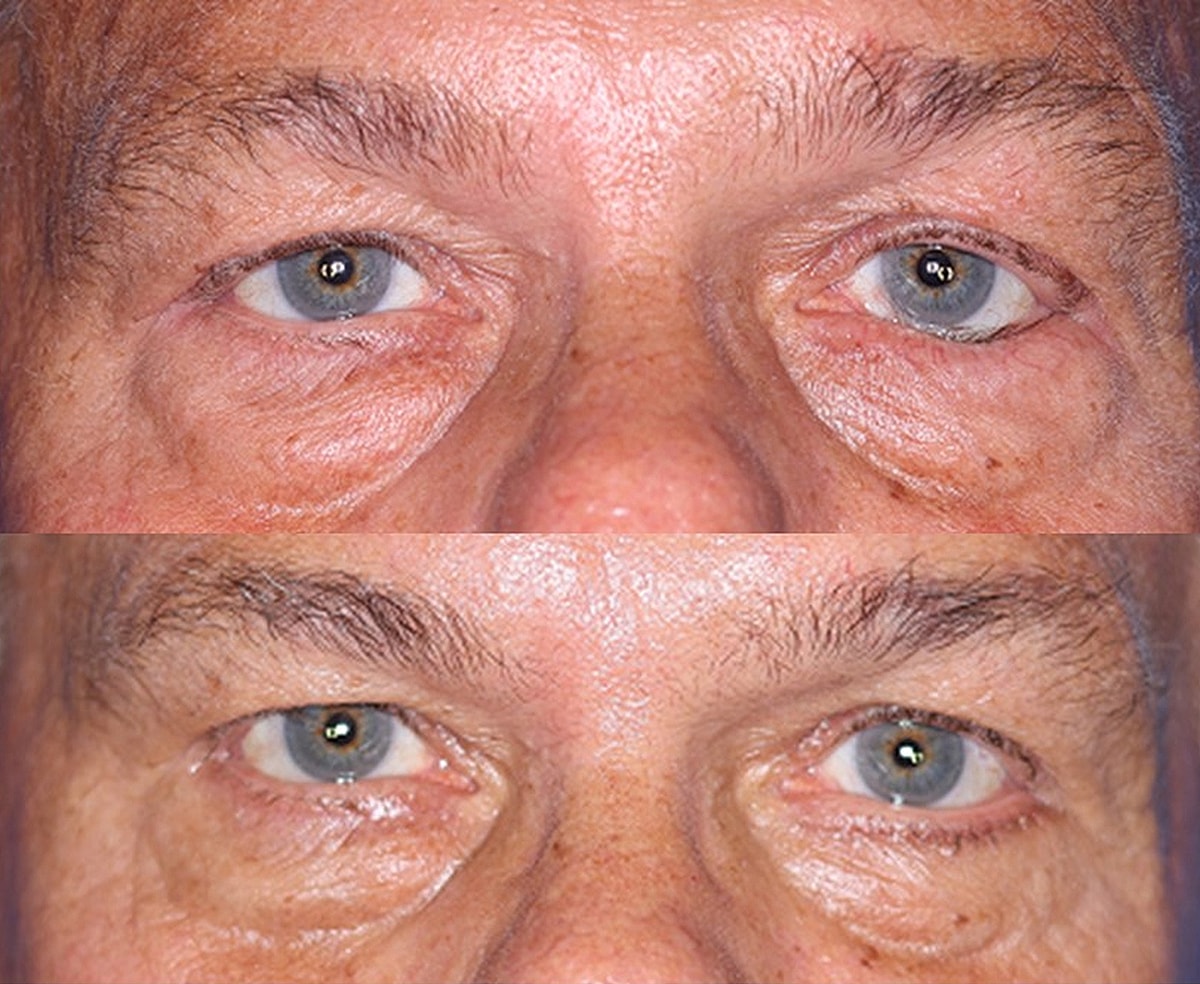
Blepharoplasty is a surgical procedure that removes or repositions excess eyelid skin, excess fat, and select muscle tissue from the upper eyelids, lower eyelids, or both. This eyelid lift procedure can improve hooding, under-eye bags, eyelid contour, and some vision obstruction concerns. Blepharoplasty is also called eyelid surgery, eyelid lift surgery, or cosmetic eyelid surgery. It may involve upper eyelid surgery, lower eyelid surgery, or treatment of the upper and lower eyelids in one plan.

Corrects droopy eyelids, reduces bags under the eyes, removes excess eyelid skin, and restores a more visible natural eyelid crease.
Can be performed on the upper lids, lower lids, or both. Upper blepharoplasty addresses hooding and excess skin, while lower blepharoplasty treats puffiness, fat pads, and loose skin beneath the eyes.
Usually performed with local anesthesia and sedation. Some blepharoplasty procedures may require IV sedation or general anesthesia based on the treatment plan, surgical technique, and patient comfort.
Swelling and bruising improve in about 1–2 weeks for most patients. Keeping the head elevated, using eye drops as instructed, and limiting activity help support the recovery process.
Creates long-lasting improvements to eyelid skin, eyelid contour, and upper-face aesthetics. Results continue to refine as swelling settles and incision lines fade over the following months.
With a blepharoplasty Phoenix patients can treat eyelid changes caused by facial aging, skin laxity, excess tissue, and fat shift around the eyes. The best candidates have a tissue problem, not pigment alone.
Dark circles need a careful exam. Lower blepharoplasty can help shadowing from puffiness, but it will not erase pigment or thin-skin color in every patient.

Blepharoplasty can treat the upper eyelids, lower eyelids, or both. Dr. Warrington checks brow position, lid support, tear film, fat pads, and the natural contours around the eyes before recommending a treatment plan.
Upper blepharoplasty treats excess skin on the upper eyelids, small pockets of excess fat, and heaviness that hides the natural eyelid crease. An upper eyelid lift can make the upper lid look cleaner without changing the patient’s eye shape.
Upper eyelid blepharoplasty may also help when excess eyelid skin blocks part of the upper or outer field of vision. Some cases need visual field testing or input from eye doctors if insurance or eye health is part of the discussion.
Lower blepharoplasty treats under-eye bags, lower lid puffiness, and contour irregularity caused by fat pads or loose skin. A lower eyelid lift may involve a skin incision near the lower lash line or an incision inside the lid.
Lower eyelid blepharoplasty can remove or reposition excess fat. In select cases, Dr. Warrington may also tighten muscles or improve lower lid support to protect the eye shape.
Some blepharoplasty patients need work on the upper and lower eyelids in the same surgical procedure. This can create a more balanced result than separate surgeries when both areas show signs of aging.

Blepharoplasty can create a refreshed appearance by removing or repositioning the tissue that makes the eyes look heavy, puffy, or tired. The goal is a cleaner frame around the eyes that fits the face.
Good candidates for blepharoplasty have excess skin, excess fat, droopy eyelids, or lower lid puffiness that can be improved with surgery. Candidates should be in good health, have realistic expectations, and understand the recovery process.
This is where Dr. Warrington’s consultation matters. A brow lift may be the better answer for a low brow. A lower eyelid lift may be the wrong move if filler, pigment, or skin quality is the main issue.
These prep steps reflect common eyelid surgery guidance around medication review, nicotine avoidance, transportation planning, and eye-health assessment.
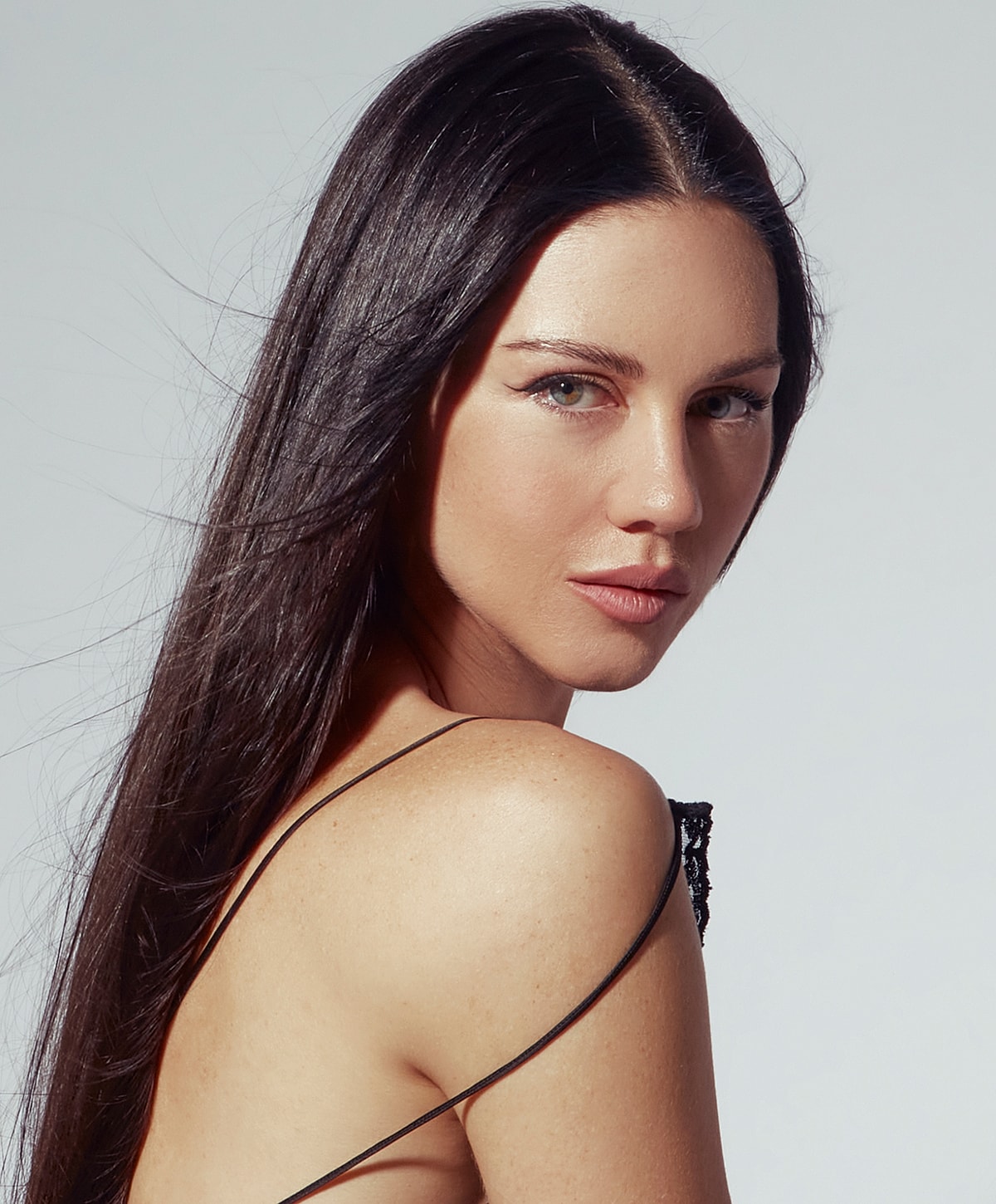
Blepharoplasty is an outpatient procedure performed with local anesthesia, IV sedation, or general anesthesia based on the treatment plan. Dr. Warrington reviews the upper lids, lower lids, brow position, and lower lid support before choosing the surgical technique.
Local anesthesia numbs the eyelids. IV sedation or general anesthesia may be used for comfort, combined procedures, or more involved lower eyelid surgery.
Dr. Warrington marks the skin to be treated while checking symmetry, eye closure, and the natural eyelid crease.
For upper eyelid blepharoplasty, the incision is placed in the natural crease of the upper eyelid. Dr. Warrington can remove excess skin, refine muscle in select cases, and address small fat pockets.
For lower eyelid blepharoplasty, the incision may sit just below the lower lash line or inside the lower lid. The lower lash line approach can address the skin. The inside-lid approach can treat excess fat without an external skin incision.
Performing eyelid surgery well requires restraint. Too much fat removal can create hollowness. Too much skin removal can create tightness or trouble closing the eyes.
Fine sutures or skin closure methods are used. Sutures may be removed during an early follow-up visit.
You’ll receive guidance for cold compresses, head-elevated rest, incision care, eye drops, medication use, and follow-up.
Following a blepharoplasty Phoenix patients should expect pressure, tightness, a gritty feeling, and swelling. Sharp pain is not the usual pattern. Call the office if pain is severe or vision changes occur.
Recovery after blepharoplasty involves swelling, bruising, dryness, incision care, and short-term limits on exercise, contact lenses, and eye makeup. Most patients are presentable in 10–14 days, although final settling takes months.
Plan on bruising and swelling around the eyelids for about one to two weeks. Lower eyelid surgery can bruise into the upper cheek. Upper eyelid surgery can make the crease look puffy at first. This is the awkward phase. Sunglasses help.
Light walking may begin early with clearance. Avoid bending, heavy lifting, hard workouts, swimming, rubbing the eyes, and contact lenses until Dr. Warrington clears you.
Sleep with your head elevated. Use cold compresses and prescribed ointment or eye drops as directed.
Protect fresh eyelid skin from the Arizona sun. Wear dark sunglasses outside. Keep your hands away from the incisions, and do not test your result by pulling on the lids.
Contact the office for severe pain, bleeding, fever, sudden swelling, or vision changes.
You will see early blepharoplasty results as bruising and swelling improve over the first 10–14 days. The final eyelid shape takes several months as swelling fades and incision lines mature.
The first few days can look more intense than expected. This does not mean the final result will look overdone.
Blepharoplasty results are long-term. Upper eyelid surgery may last many years, and lower eyelid surgery can create lasting improvement when under-eye bags come from excess fat or fat pad position.
Aging continues. Sun exposure, genetics, skin quality, facial aging, and nicotine use can affect how the eyelids change after surgery. Some patients maintain their results with skin care, Botox, fillers, brow lift, or resurfacing. Some may choose another procedure years later.
Blepharoplasty scars are placed in discreet eyelid locations. Upper eyelid scars sit in the natural crease. Lower eyelid scars may sit beneath the lash line or inside the lid, based on the plan. Early scars can look pink or firm. They fade over months. Visible scarring risk is lower when incisions are placed with care, protected from the sun, and allowed to heal without rubbing, makeup, or excess tension.
No surgeon can promise an invisible scar. Dr. Warrington can explain scar care, sunscreen timing, and when eye makeup may return.
Eyelid surgery cost depends on the physical work required. Upper eyelid surgery, lower eyelid surgery, and combined upper and lower eyelid surgery each involve different surgical times, anesthesia planning, facility needs, and tissue work.
A small upper eyelid lift is not priced the same as a lower eyelid lift with fat repositioning, skin tightening, and support work. Revision blepharoplasty procedures can cost more because scar tissue changes the surgery. Separate surgeries may also change the total investment.
Warrington Facial Plastic Surgery does not give exact pricing by phone. Quoting a fee without seeing the eyelid skin, fat pads, brow position, and lower lid support is guesswork. During the consultation, Phoenix facial plastic surgeon Dr. Warrington examines the area, builds a treatment plan, and the office gives a clear estimate. Financing may be available through CareCredit for qualified patients.
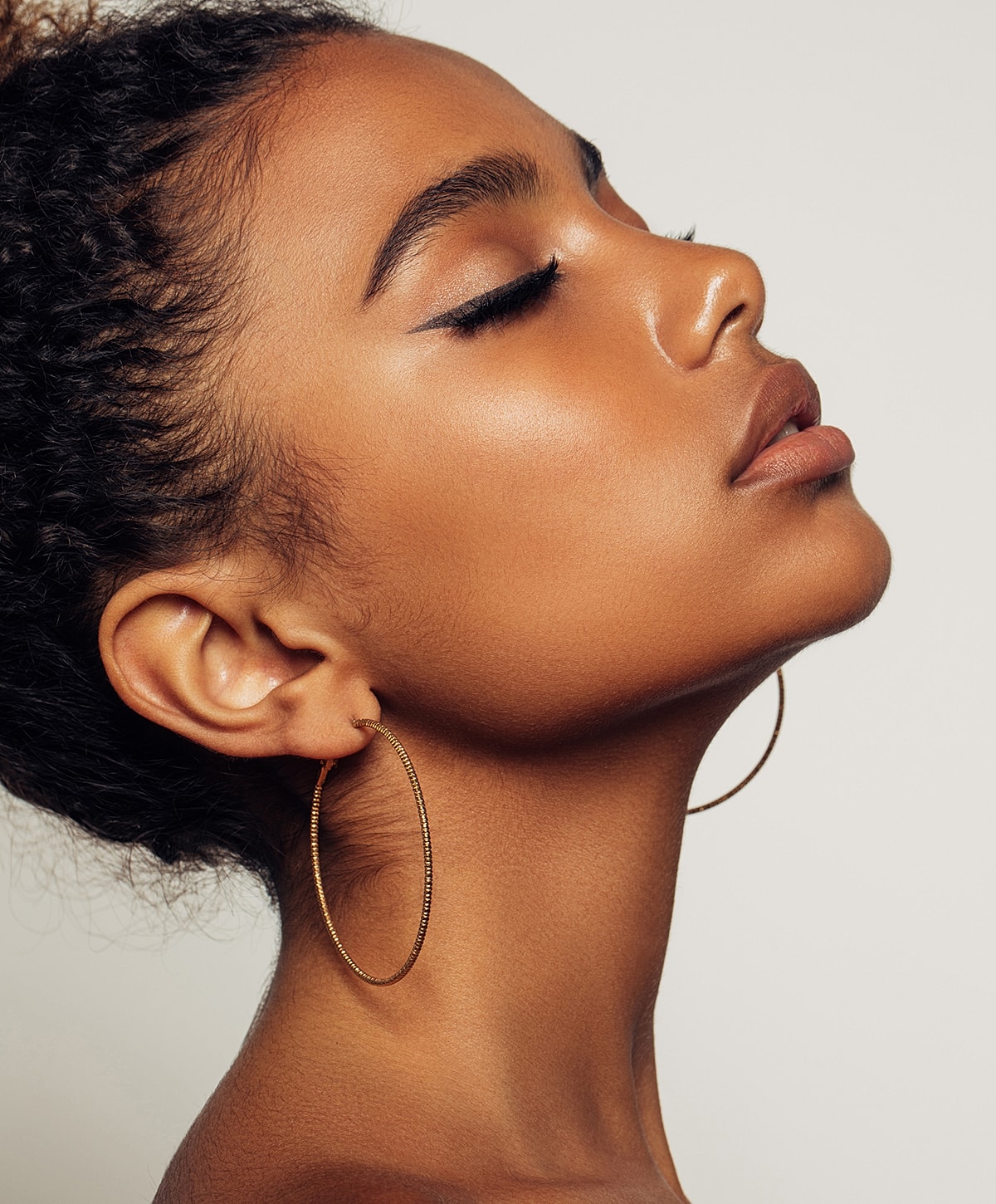
Blepharoplasty is best for excess eyelid skin and fat. Other treatments may help nearby concerns, but they do not replace surgery when tissue needs to be removed or repositioned.
Option | Best for | Limits |
|---|---|---|
| Blepharoplasty | Excess skin, fat pads, droopy eyelids, lower lid bags | Requires surgery, downtime, and scar care |
| Brow lift | Low brow, forehead heaviness, outer brow descent | Does not remove lower eyelid bags |
| Botox | Crow’s feet and muscle-driven lines | Temporary; does not remove excess tissue |
| Filler | Select hollows under the eyes | Can worsen puffiness in the wrong patient |
| Skin resurfacing | Fine lines, crepey texture, pigment | Does not remove fat pads or heavy skin |
Patients comparing plastic surgeons, a board-certified plastic surgeon, a cosmetic surgeon, or an oculoplastic surgeon should ask who performs the surgery, how the eyelid is evaluated, and how eye surface safety is handled. Credentials matter. So does fit. Mayo Clinic lists plastic surgeons, ophthalmologists, and oculoplastic surgeons among providers a patient may meet before blepharoplasty.
Blepharoplasty can be combined with brow lift surgery, facelift, neck lift, Botox, filler, or skin resurfacing when the eye area is part of broader facial aging. Combination care can support complete rejuvenation while avoiding an over-corrected eye area. Mayo Clinic also notes that blepharoplasty can be performed with a brow lift, face-lift, or skin resurfacing.
A brow lift can help when the brow pushes skin onto the upper lids. A facelift or neck lift may make sense when the lower face and neck show sagging skin along with eye changes. Botox can soften crow’s feet after healing. Filler can help select hollows, though it should be used with care around lower lids.
Dr. Warrington may also recommend staging treatments instead of combining them. The safest plan wins.
Warrington Facial Plastic Surgery offers blepharoplasty in Glendale for Phoenix-area patients who want specialist care close to home. Dr. Stephanie Warrington is a board-certified ENT and fellowship-trained facial plastic surgeon, and she focuses on the face and neck. That background shapes her eyelid surgery planning. She looks at the eyelids as part of the brow, cheek, nose, and full expression. She also respects function. Eye closure, dryness, peripheral vision, lower lid support, and natural contours all affect the final decision.
Her clinical bias is conservative tissue handling. Remove excess skin when it is the problem. Reposition excess fat when hollowing is a risk. Protect eye shape. Avoid a result that looks pulled.
For patients in Glendale, Phoenix, Peoria, and the West Valley, the location also matters. Follow-ups are easier when your surgeon is nearby. You do not need to drive across the Valley for every check. The practice states that Dr. Warrington is involved in care from consultation through follow-up, which supports the provider-led tone of this page.
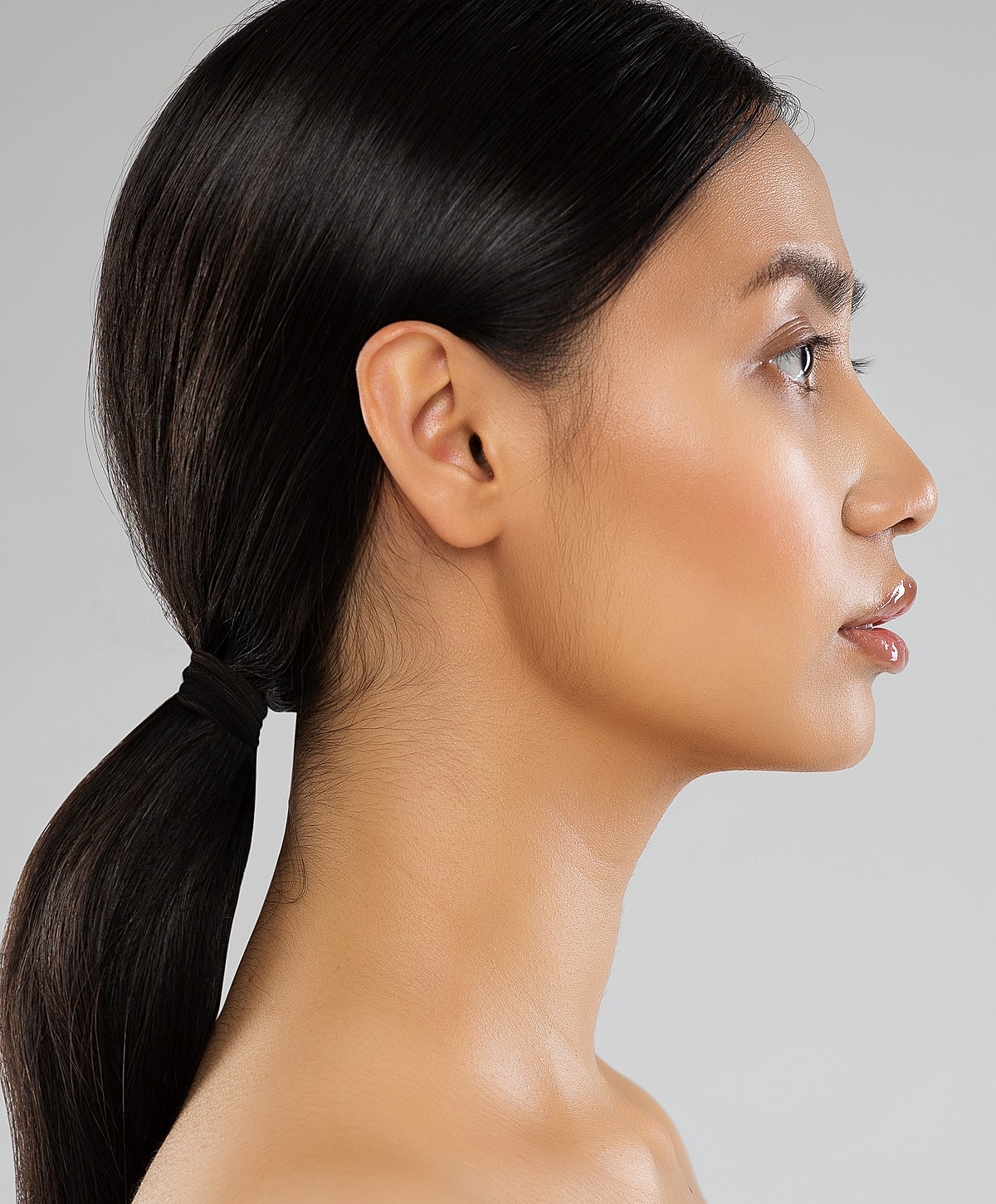
Schedule a blepharoplasty consultation with Dr. Stephanie Warrington at Warrington Facial Plastic Surgery in Glendale, AZ. Call (602) 368-3223 or request an appointment online to discuss upper eyelid surgery, lower eyelid surgery, or a combined eyelid lift plan.
Yes. Blepharoplasty, eyelid lift, eyelid lift procedure, and cosmetic eyelid surgery are common terms for surgery that improves the upper eyelids, lower eyelids, or both.
Phoenix Blepharoplasty pricing depends on upper lids, lower lids, anesthesia, facility needs, and the amount of excess skin and fat treated. Warrington Facial Plastic Surgery gives a clear quote after Dr. Warrington examines your eyelids in Glendale.
Upper eyelid surgery can help when excess eyelid skin blocks part of the visual field. Some cases need visual field testing, photos, and insurance review. Dr. Warrington can explain the cosmetic and functional parts of your case.
Lower blepharoplasty can help dark circles caused by shadow from under-eye bags. It will not correct every pigment concern. If color, thin skin, or vascular tone is the main issue, Dr. Warrington may discuss skin care, resurfacing, or another plan.
Yes, many eyelid surgery procedures can be performed with local anesthesia and sedation. More involved lower eyelid surgery, combined procedures, or patient comfort needs may call for IV sedation or general anesthesia.
Most patients are asked to keep their heads elevated during the first recovery phase to help reduce swelling. Dr. Warrington will give instructions based on your procedure and healing pattern.
Some patients benefit from eye doctor input before cosmetic eyelid surgery if they have dry eye, glaucoma, thyroid eye disease, contact lens issues, or vision obstruction. Dr. Warrington may request clearance when eye health affects surgical safety.