Rhinoplasty
in Phoenix, AZ


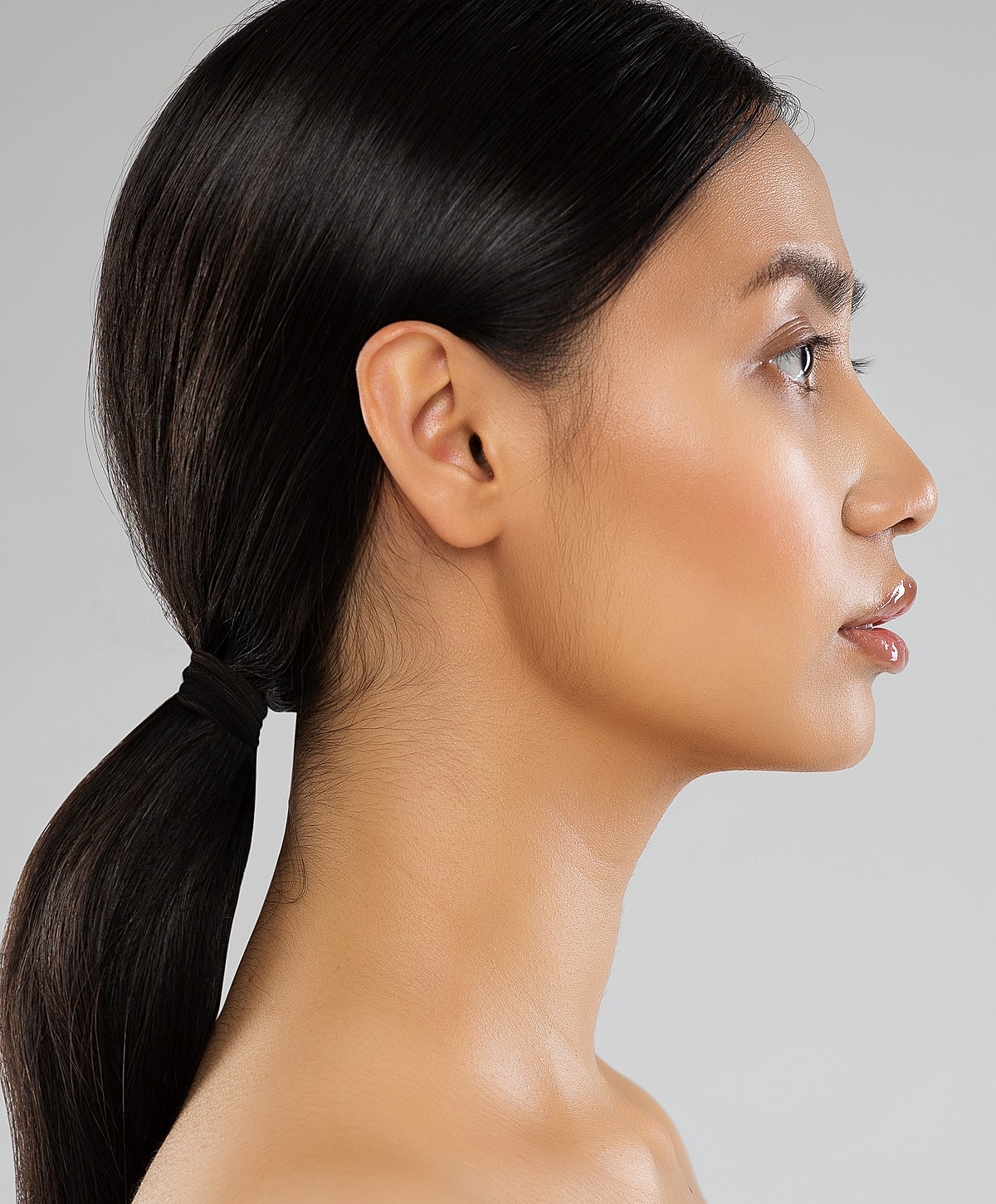
A nose can change the way the whole face is read. Small shifts in the nasal bridge, nasal tip, nostril shape, or projection can affect facial balance, the upper lip, and the way the eyes and chin appear in profile. Breathing matters in the same conversation.
For a rhinoplasty Phoenix-area patients at Warrington Facial Plastic Surgery will have their procedure performed in Glendale by Dr. Stephanie Warrington, a board-certified ENT and fellowship-trained Phoenix facial plastic surgeon. Her background matters here. Nose surgery sits at the center of facial plastic surgery, airway function, and soft tissue healing, so the plan has to respect both appearance and breathing from the start. Dr. Warrington offers open rhinoplasty, closed rhinoplasty, and functional rhinoplasty for cosmetic and breathing-related nasal concerns.
1 of 9
Rhinoplasty is a surgical procedure that reshapes the nose by adjusting nasal bones, cartilage, soft tissue, and skin. Also called nose surgery or a nose job, rhinoplasty can address cosmetic concerns, facial injuries, nasal obstruction, a deviated septum, and changes from a previous rhinoplasty. Rhinoplasty surgery may be cosmetic, functional, reconstructive, or a combination of these goals. Rhinoplasty can change nose size, shape, or proportions and may also address injury-related issues, birth defects, or some breathing problems.

Refines nose shape, improves facial harmony, addresses a crooked nose or bulbous nasal tip, and may improve airflow when nasal structure contributes to breathing problems.
Can involve open rhinoplasty, closed rhinoplasty, functional rhinoplasty, cosmetic rhinoplasty, ethnic rhinoplasty, or revision rhinoplasty based on the treatment plan.
Most rhinoplasty procedures are performed with general anesthesia. Some limited nasal procedures may use local anesthesia with sedation, based on safety and surgical scope.
Most patients wear a nasal splint at first. Bruising and swelling improve over the first few weeks, while nasal tip swelling may take many months to settle.
Rhinoplasty creates long-term changes to nasal shape, facial balance, and nasal contour. Final refinement appears as swelling subsides and the soft tissue settles.
Rhinoplasty cost depends on surgical technique, revision status, functional needs, anesthesia, facility fees, and the amount of structural work required.
At our practice near Phoenix rhinoplasty treats cosmetic and functional nasal concerns caused by inherited nasal shape, trauma, facial injuries, prior surgery, or breathing-related structure. The procedure can be planned for appearance, airflow, or both.
A deviated septum can contribute to nasal blockage, but rhinoplasty alone does not always correct the septum. Septoplasty straightens and repositions the septum, and it may be combined with rhinoplasty when both appearance and airflow need attention.

At our clinic near Phoenix rhinoplasty is performed as an outpatient procedure. After your initial consultation and nasal analysis, Dr. Warrington designs a customized surgical plan based on your facial features and internal nasal anatomy. During the procedure, she carefully reshapes bone and cartilage, including the paired nasal bones, anterior nasal spine, and nasal tip, while respecting the nasal blood supply and nasal innervation.
By understanding the nasal skeleton, nasal muscles, and surrounding tissues, Dr. Warrington achieves changes that not only enhance facial appearance and facial harmony but also support the health of the nasal airway.
Rhinoplasty can treat several parts of the nose in one surgical plan. Dr. Warrington evaluates the nasal bridge, nasal tip, nostrils, septum, nasal bones, airway, chin projection, and surrounding facial features before recommending a surgical plan.
The nasal bridge is the upper and middle part of the nose. Rhinoplasty can reduce a hump, refine width, straighten irregularities, or rebuild support after trauma.
A strong nasal bridge can look elegant on one face and heavy on another. The plan depends on the person in front of Dr. Warrington, not a template.
The nasal tip affects definition, rotation, projection, and the way the nose meets the upper lip. Rhinoplasty can refine a bulbous nasal tip, lift a drooping tip, narrow tip cartilage, or create more support.
Tip work is slow work. This area swells the longest.
The nostrils and nasal base affect width, shape, and balance from the front view. Some rhinoplasty patients benefit from narrowing or reshaping this area with small incisions near the nostril crease.
The goal is proportion. Over-narrowing can make the nose look pinched.
The septum is the wall inside the nose that separates the two nasal passages. If a deviated septum blocks airflow, functional rhinoplasty or septoplasty may be part of the plan.
This is one of Dr. Warrington’s strongest differentiators. As a board-certified ENT with fellowship training in facial plastic surgery, she evaluates the nose as both a visible facial feature and a breathing structure.
The nasal bones may need adjustment when the nose is crooked, wide, fractured, or asymmetric. Bone work can help improve alignment and bridge width.
A broken nose from facial injuries may need a different strategy than a nose that has always been wide or uneven.

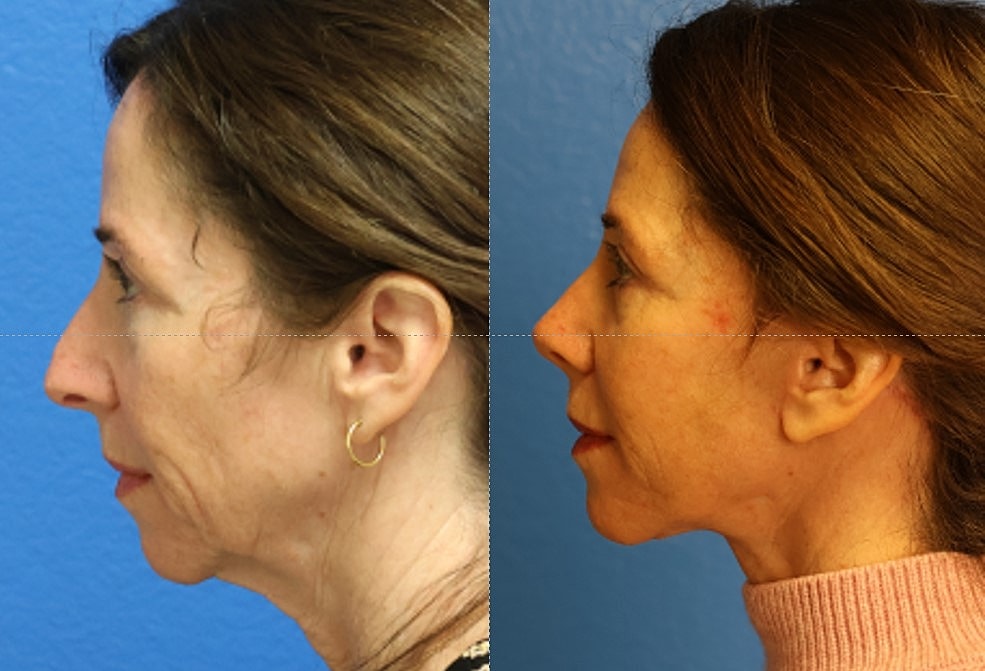
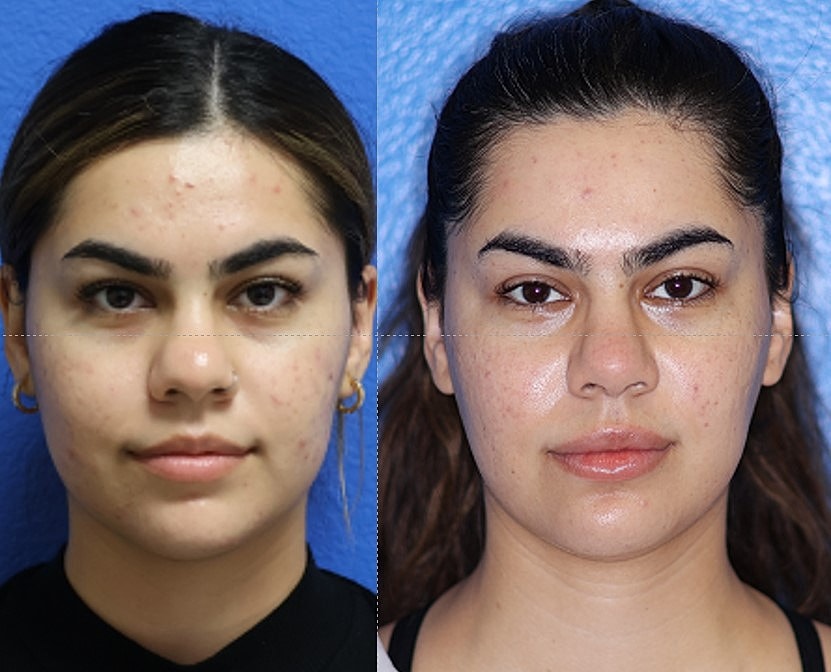
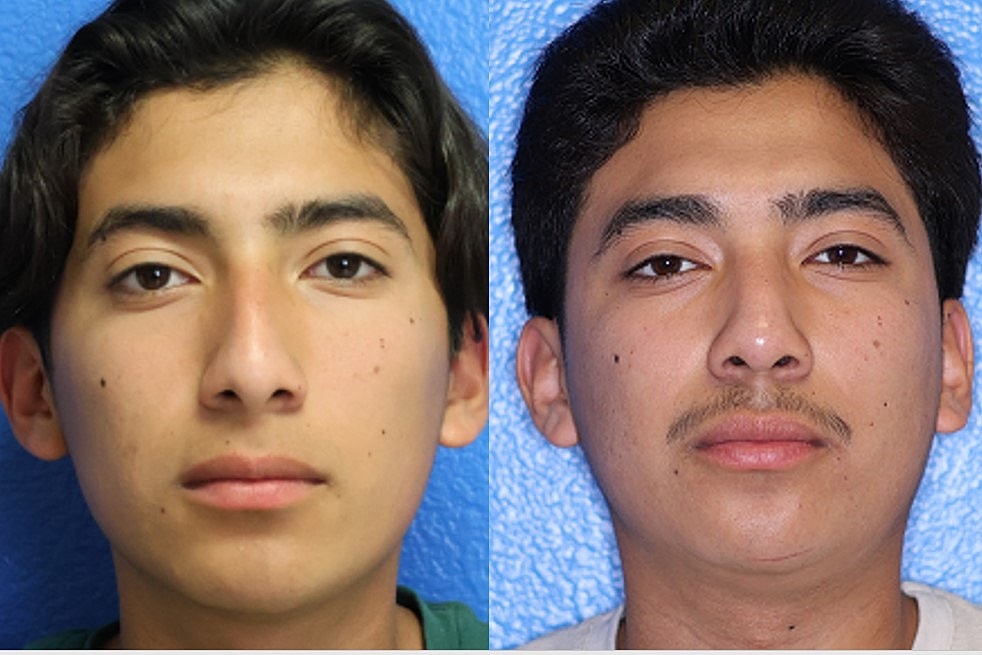
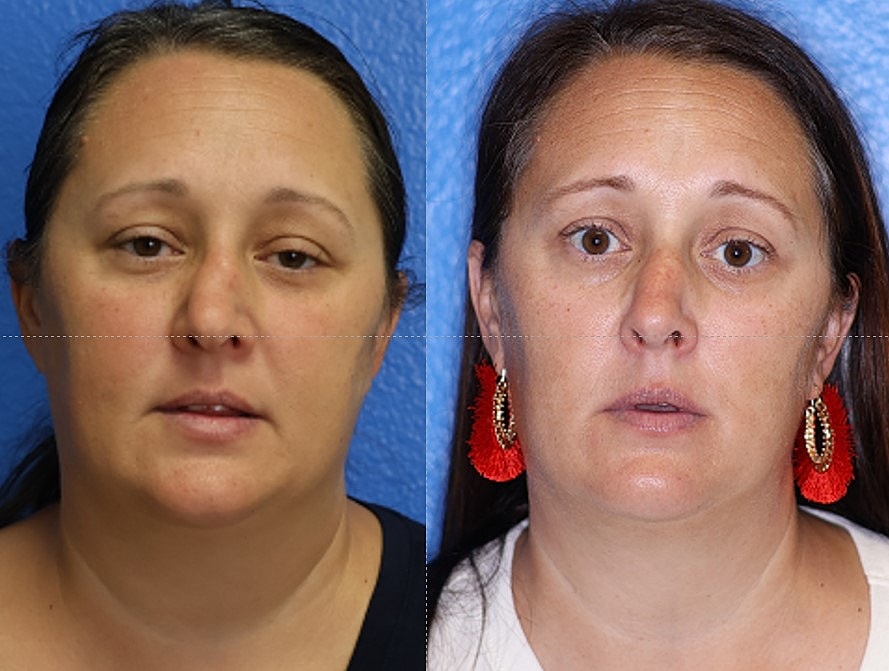
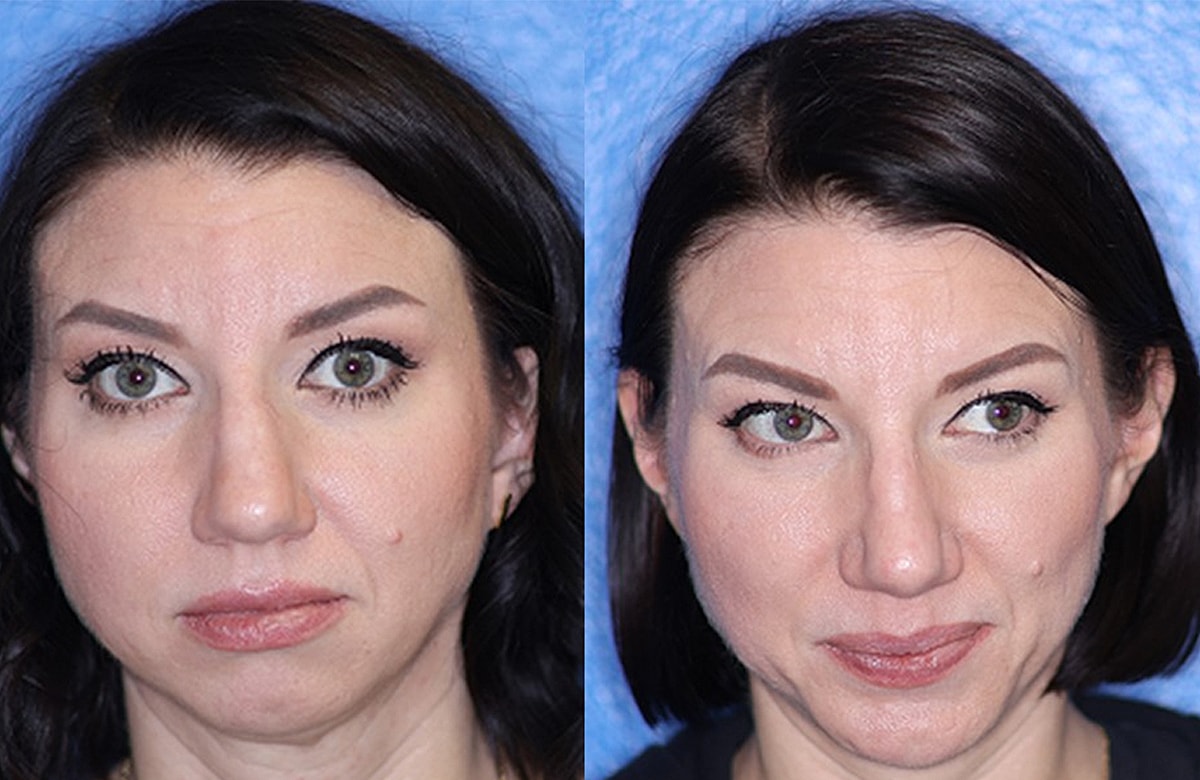
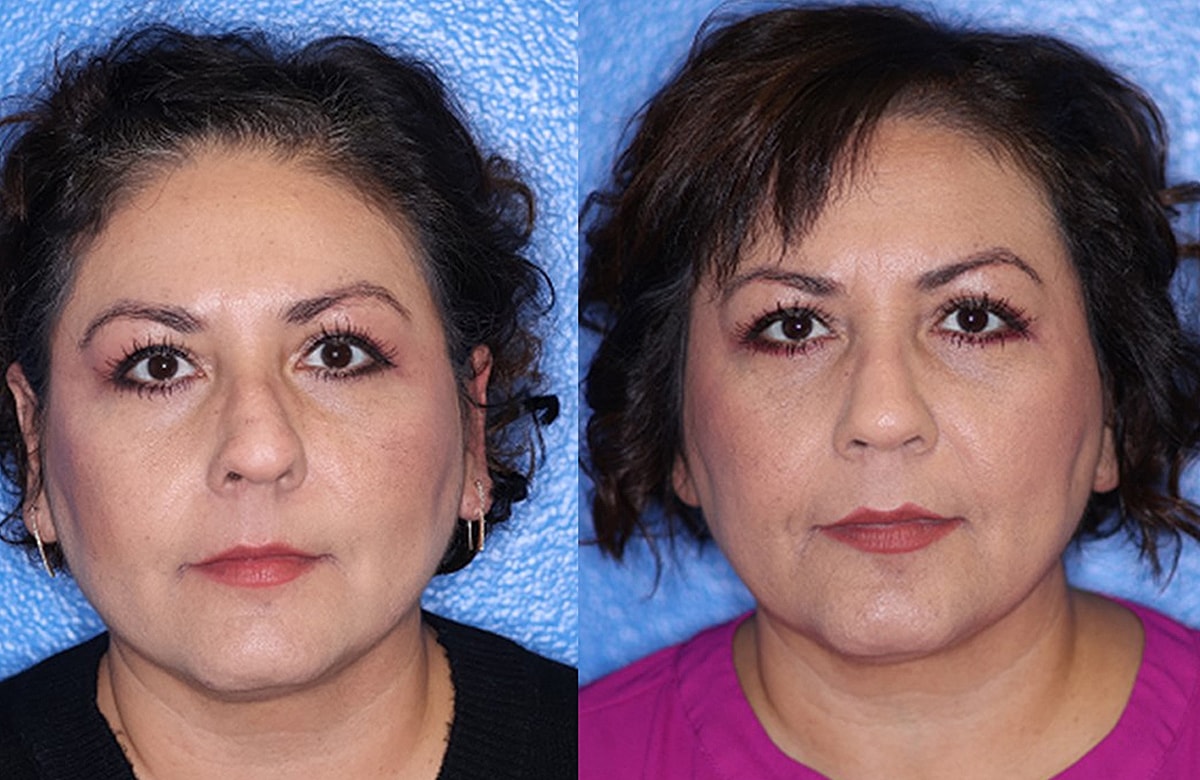
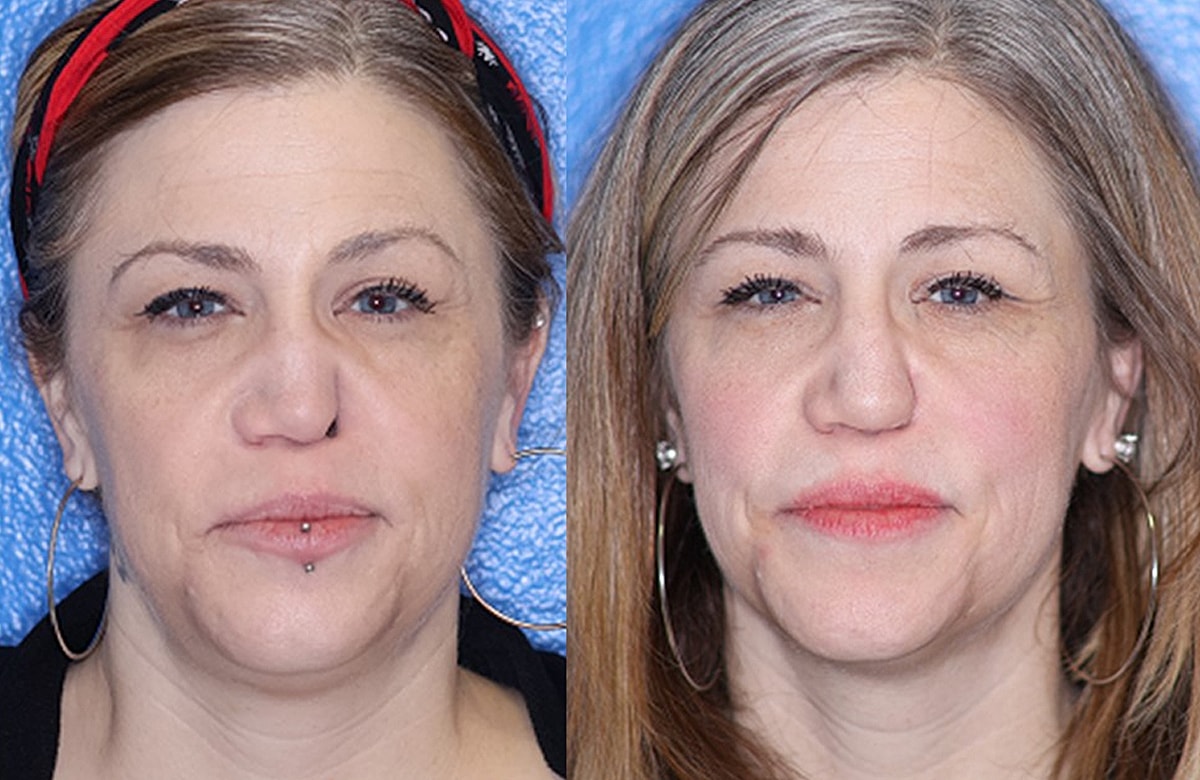
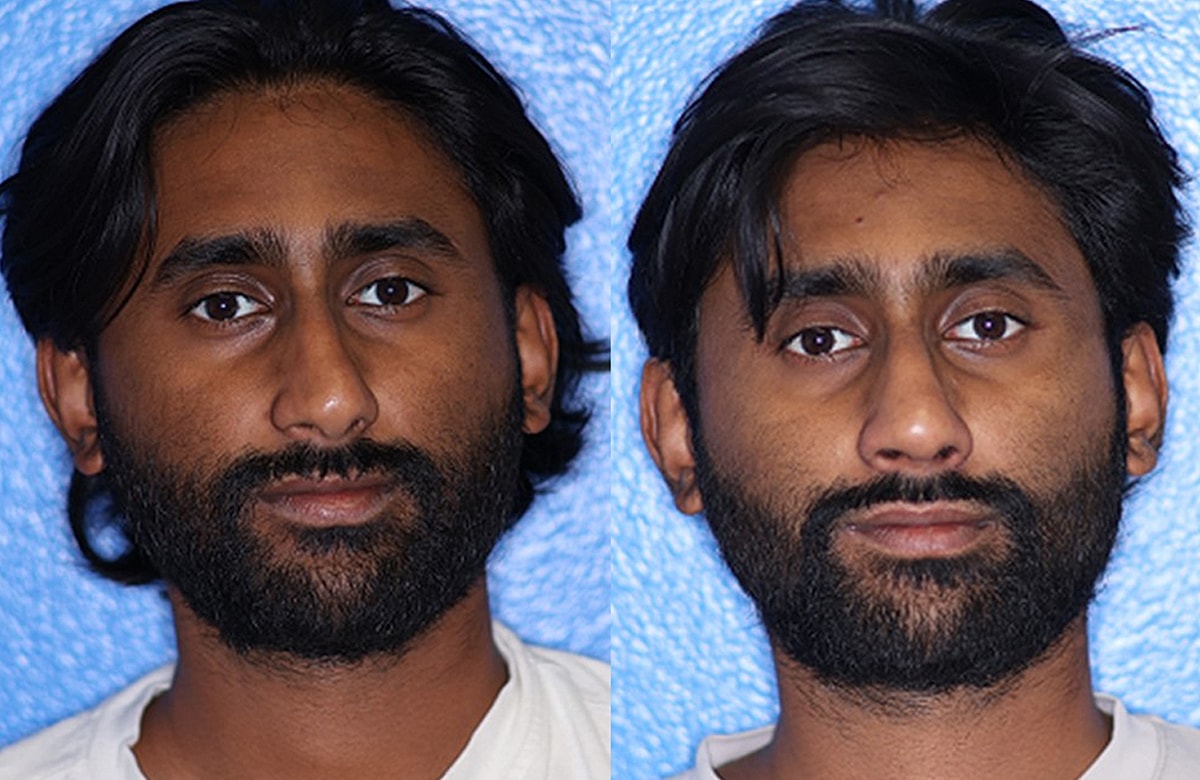
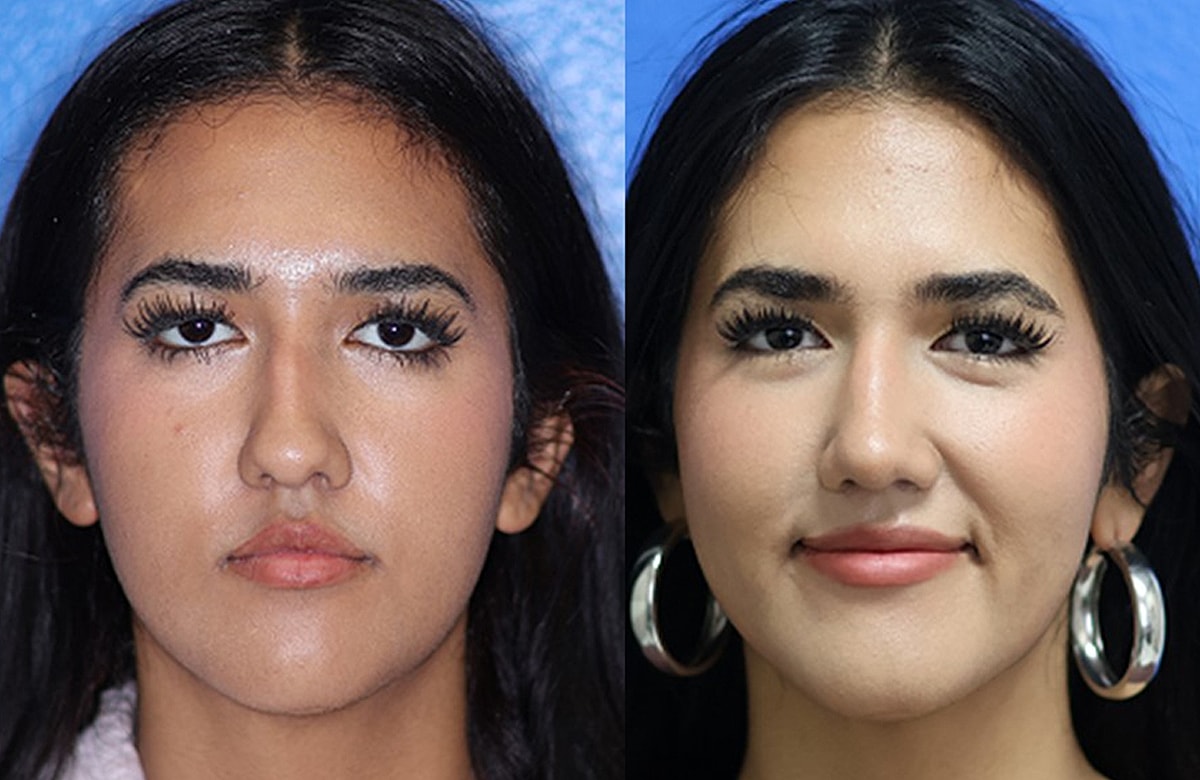
Rhinoplasty can improve the nose in a way that supports facial balance and nasal function. The best rhinoplasty result looks like it belongs to the patient’s face, ethnicity, bone structure, and expression.
Good candidates for rhinoplasty have cosmetic reasons, functional concerns, or both. Candidates should be in good health, have a stable nasal structure, understand the recovery process, and have realistic expectations about what nasal surgery can achieve.
Dr. Warrington may recommend waiting, changing the plan, or choosing a different procedure if surgery would compromise safety, function, or natural contours.
Preparing for rhinoplasty begins with a thorough consultation with Dr. Warrington, where you’ll discuss your goals, concerns, and expected results. It can be helpful to bring photos that illustrate what you’d like to improve, and you’ll be asked to share your complete medical history, including any previous nasal surgery, facial injuries, breathing concerns, allergies, sinus issues, bleeding disorders, or past experiences with anesthesia. Be sure to disclose all medications, supplements, and blood thinners, as some may need to be stopped before surgery. Depending on your health, you may also need lab work or medical clearance before your procedure. Dr. Warrington will provide detailed pre-operative instructions, including avoiding nicotine and certain medications that can increase bleeding risk. Before surgery, arrange for someone to drive you home and stay with you during your initial recovery, and prepare your home with items such as soft foods, extra pillows, and any recommended supplies. It’s also a good idea to plan your schedule around the expected swelling, bruising, and time needed to heal, while postponing dental work or facial treatments unless approved by Dr. Warrington. During your consultation, don’t hesitate to ask questions about breathing, surgical techniques, scarring, and what you can expect throughout recovery.

Rhinoplasty is an outpatient procedure that changes nasal structure through carefully placed incisions, bone and cartilage reshaping, grafting when needed, and soft tissue redraping. Dr. Warrington chooses the surgical technique based on nasal anatomy, airway needs, skin thickness, prior surgery, and the desired amount of change.
Following a rhinoplasty Phoenix patients typically experience less “sharp pain” and more pressure, congestion, tightness, and a heavy feeling through the midface. Breathing through the nose can feel blocked at first. That part tests patience.
Open rhinoplasty gives Dr. Warrington direct access to the nasal framework. It is useful for nasal tip work, crooked noses, revision surgery, ethnic rhinoplasty, functional rhinoplasty, and more detailed structural correction.
The tradeoff is a small external incision under the nose. With careful placement and healing, it tends to fade well.
Closed rhinoplasty uses internal incisions only. It can be a good option for select patients needing subtle bridge or tip refinement with less exposure.
Closed rhinoplasty is not better by default. It is better when it fits the nose.
Functional rhinoplasty addresses airflow problems caused by structure. This may include a deviated septum, valve narrowing, collapsed support, trauma, or crooked internal anatomy.
For Dr. Warrington, function is not an afterthought. Her ENT training gives her a practical advantage when cosmetic nose surgery and breathing need to be planned together.
Revision rhinoplasty corrects concerns after a previous rhinoplasty. It is more complex because scar tissue, weakened cartilage, missing support, and altered nasal passages can change the surgical plan.
Revision cases may require cartilage grafting and more detailed reconstruction. It is serious work.
Rhinoplasty recovery involves swelling, bruising, congestion, splint care, activity limits, and a long settling phase. Most of our Phoenix facial plastic surgery patients are socially presentable in about 1–2 weeks, but final nasal refinement can take a year or longer, especially in the nasal tip.
Plan for the nasal splint, bruising, and swelling during the first week. Many patients feel comfortable returning to desk work or low-key plans after the splint comes off, depending on bruising.
Dinner without people noticing? Give it two weeks. Big photos need more margin.
Walking is usually encouraged early, but workouts, bending, heavy lifting, contact sports, and anything that raises blood pressure should wait until Dr. Warrington clears you.
Avoid pressure on the nose. Glasses may need special handling. Sleep with your head elevated.
Keep your head elevated. Do not bump the nose. Avoid heavy glasses on the bridge until cleared. Follow cleaning instructions without overhandling the nostrils.
Call the office for fever, heavy bleeding, worsening one-sided pain, sudden swelling, severe headache, or breathing changes that feel concerning.
Rhinoplasty results are visible after the nasal splint comes off, but that is not the final nose. Swelling makes the nose look wider, firmer, and less refined at first. The bridge settles sooner than the nasal tip.
Rhinoplasty results are long-term because the surgical procedure changes the nasal bone and cartilage structure. The nose still ages, and skin quality, injury, scar tissue, and healing patterns can influence the final result.
Most patients do not need repeat cosmetic rhinoplasty. Revision rhinoplasty may be considered when breathing problems remain, the nose heals with unwanted contour changes, or a previous rhinoplasty left structural concerns. Revision surgery should be approached with care because each operation changes the tissue.
Rhinoplasty scars depend on the surgical technique. Closed rhinoplasty incisions are hidden inside the nostrils, so visible scarring is not expected. Open rhinoplasty uses a small incision under the nose between the nostrils.
That open incision usually fades over time. It may look pink or firm at first, then soften. Sun protection, scar care, and avoiding nicotine can support better healing.
No surgeon should promise an invisible scar. A careful surgeon explains where the incision goes and how it tends to mature.
The cost of a rhinoplasty depends on the physical work required. A subtle cosmetic rhinoplasty for the nasal bridge has a different fee than revision rhinoplasty with cartilage grafting, functional correction, nasal valve support, and detailed nasal tip reconstruction. Cost can include surgeon fees, anesthesia, facility fees, prescription medication, testing, and postoperative care.
Warrington Facial Plastic Surgery does not give exact rhinoplasty pricing without an exam. Quoting a fee before seeing the nose is guesswork. During your rhinoplasty consultation, Dr. Warrington evaluates nasal anatomy, skin thickness, airway function, facial balance, and revision status. Then the office gives a clear quote based on the surgical plan.
Financing may be available through CareCredit for qualified patients.

Rhinoplasty is the best option when the nasal structure needs surgical change. Non-surgical options can help select contour concerns, but they cannot make the nose smaller, fix a deviated septum, or correct most breathing problems.
Option | Best for | Limitations |
|---|---|---|
| Surgical rhinoplasty | Nasal hump, crooked nose, bulbous tip, structure, breathing issues, long-term change | Requires surgery, anesthesia, swelling, and recovery |
| Functional rhinoplasty | Nasal obstruction, valve collapse, structural breathing problems | May not address all cosmetic goals unless combined with cosmetic planning |
| Septoplasty | Deviated septum and airflow through the nasal passages | Does not change the outside nose unless combined with rhinoplasty |
| Revision rhinoplasty | Problems after previous rhinoplasty | More complex due to scar tissue and altered support |
| Non-surgical rhinoplasty | Small contour camouflage with filler | Temporary; cannot improve breathing or make the nose smaller |
| Liquid rhinoplasty | Mild bridge or contour irregularity using filler | Adds volume and carries vascular risk; not right for every nose |
Non-surgical nose job options have a place in aesthetic procedures, but they are not a replacement for nasal surgery when the concern is size, structure, airflow, or major asymmetry. Patients comparing plastic surgeons, a qualified plastic surgeon, a board-certified plastic surgeon, a facial plastic surgeon, or other nasal specialists should ask how often the provider performs rhinoplasty and how function is evaluated.
Rhinoplasty can be combined with other procedures when facial balance calls for more than nose surgery. The most common pairing is chin augmentation, because chin projection changes how the nose looks in profile. Common combinations include:
Combination care should be practical. A longer surgical plan is not always a better one.
Warrington Facial Plastic Surgery offers rhinoplasty for Phoenix-area patients who want a specialist trained in both facial aesthetics and nasal function. Dr. Stephanie Warrington is a board-certified ENT and fellowship-trained facial plastic surgeon, focusing on facial plastic surgery with natural results, patient individuality, and function-preserving care.
That combination is rare in the local market. Dr. Warrington understands nasal anatomy from the inside and outside. She evaluates the bridge, tip, septum, valves, nasal passages, facial features, ethnicity, and breathing before recommending cosmetic nose surgery.
Her approach is measured. She does not chase the smallest nose. She plans for facial harmony, breathing, support, and long-term structure. Ethnic rhinoplasty requires that kind of respect. So does revision surgery.
For patients in Glendale, Phoenix, Peoria, and the West Valley, location also matters. Rhinoplasty has follow-ups. Having specialist facial plastic surgery close to home makes recovery less complicated than driving across the Valley for every check.
Schedule a rhinoplasty consultation with Dr. Stephanie Warrington at Warrington Facial Plastic Surgery near Phoenix, AZ. Call the office or request an appointment online to discuss cosmetic rhinoplasty, functional rhinoplasty, revision rhinoplasty, or a combined surgical plan.
Rhinoplasty cost in Phoenix and Glendale depends on technique, anesthesia, facility needs, revision status, and functional work. A simple cosmetic procedure costs less than complex revision rhinoplasty or functional rhinoplasty. Dr. Warrington provides a quote after examining the nose and building the surgical plan.
Yes. Rhinoplasty, nose surgery, cosmetic nose surgery, and nose job are common terms for the same category of nasal reshaping surgery. The procedure may be cosmetic, functional, reconstructive, or a blend of those goals.
Rhinoplasty can help with breathing problems when the nasal structure contributes to obstruction. A deviated septum, valve collapse, crooked nose, or narrowed nasal passages may need functional rhinoplasty or septoplasty. Dr. Warrington’s ENT background is valuable for this evaluation.
Open rhinoplasty uses a small incision under the nose and gives the surgeon broader access to nasal structures. Closed rhinoplasty uses internal incisions only. Open rhinoplasty is common for tip work, crooked noses, revision rhinoplasty, and structural correction.
Closed rhinoplasty does not create an external scar. Open rhinoplasty creates a small scar under the nose between the nostrils. With careful incision placement and healing, the scar tends to fade over time.
Non-surgical rhinoplasty avoids the operating room, but it is not risk-free. It uses filler in a high-risk vascular area and cannot correct breathing problems, reduce nose size, or repair major structures. Surgical rhinoplasty is better for long-term structural change.
Most patients need 1–2 weeks before returning to work or social plans. Swelling improves over the months. The nasal tip takes the longest, and final rhinoplasty results can take a year or more to settle.